Audio Summary
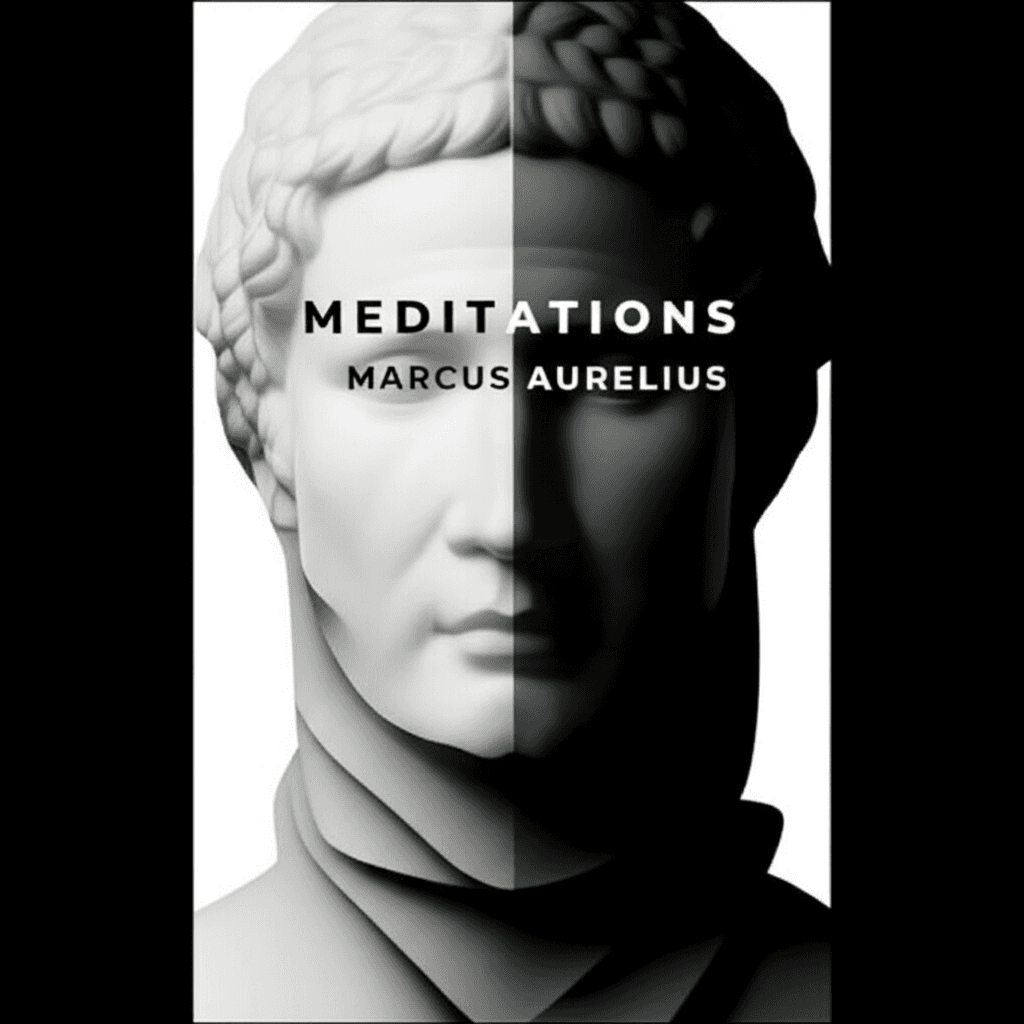
Meditations
Marcus Aurelius•Updated 2026
Control of PerceptionImpermanence and MortalityDuty and Social Responsibility
Back to Library
Executive Summary
Meditations is a collection of personal reflections and private notes written by Marcus Aurelius, the Roman Emperor from 161 to 180 AD. Originally titled 'Ta eis heauton' (translated as 'To Himself'), the work was never intended for public consumption but served as a personal spiritual diary for Aurelius to remind himself of Stoic principles during his military campaigns and the stresses of ruling an empire (Daily Stoic, Britannica). The text is structured as 12 'books' of varying lengths, consisting of aphorisms and short paragraphs that emphasize self-discipline, the pursuit of virtue, and the acceptance of the natural order.
Key Themes
Control of Perception
Aurelius emphasizes that while we cannot control external events, we have absolute power over our internal reactions and interpretations. Strength is found in the 'inner citadel' of the mind (Daily Stoic, Medium).
Impermanence and Mortality
Recurring reflections on the fleeting nature of life and the inevitability of death (memento mori). This theme serves as a motivation to live purposefully in the present moment (Sloww, Britannica).
Duty and Social Responsibility
Despite the focus on internal peace, Aurelius stresses the importance of working for the common good and fulfilling one's duty to humanity, as all people are interconnected parts of a whole (Stanford Encyclopedia of Philosophy).
Living in Accordance with Nature
The goal of life is to align one's reason with the 'Logos' or the rational structure of the universe, accepting whatever fate brings as natural and necessary (What Is Stoicism?).