Audio Summary
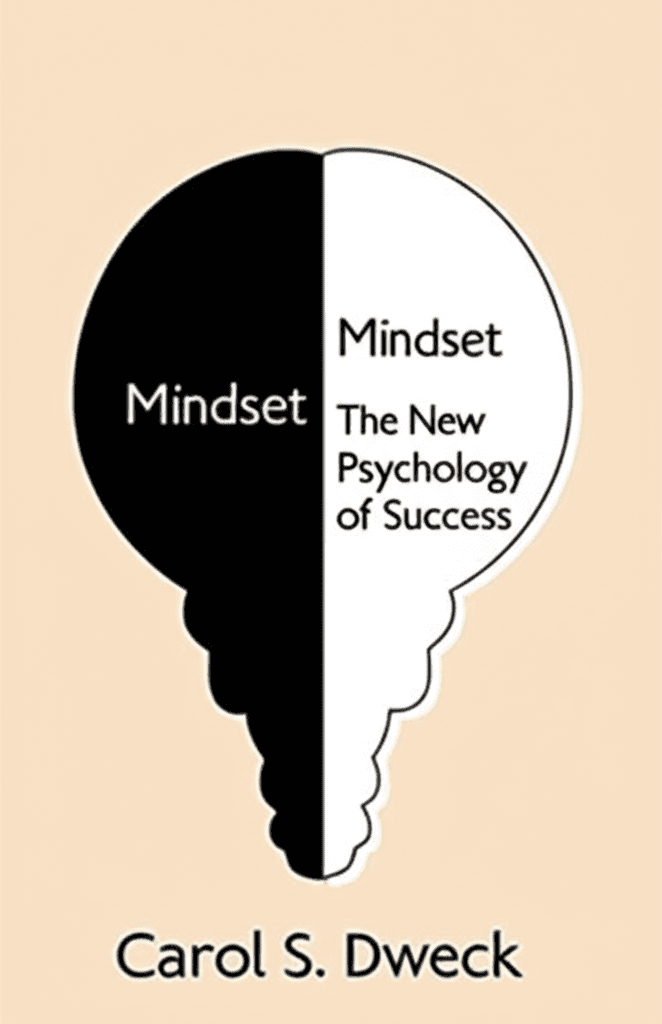
Mindset: The New Psychology of Success
Carol S. Dweck•Updated 2026
Fixed vs. Growth MindsetThe Power of 'Yet'Process-Based Praise
Back to Library
Executive Summary
Published in 2006, 'Mindset: The New Psychology of Success' by Carol S. Dweck, Ph.D., explores the fundamental premise that our beliefs about our abilities—what she terms 'mindsets'—shape our entire lives. Dweck distinguishes between two primary mindsets: the 'fixed mindset,' where individuals believe their qualities and intelligence are innate and unchangeable, and the 'growth mindset,' where individuals believe talent and intelligence can be developed through effort, strategy, and persistence. The book provides a framework for understanding how these mindsets impact performance in education, business, sports, and personal relationships, ultimately arguing that adopting a growth mindset is the key to fulfilling one's potential (Source: Farnam Street, Stanford University).
Key Themes
Fixed vs. Growth Mindset
The foundational concept that intelligence and talent are either static 'givens' (fixed) or qualities that can be cultivated through application and experience (growth). Source: The Marginalian.
The Power of 'Yet'
A linguistic and cognitive shift where a lack of mastery is viewed as a temporary state ('I don't know this yet') rather than a permanent failure. Source: Medium Review.
Process-Based Praise
Focusing on the effort, strategy, and perseverance of a child or employee rather than their innate intelligence or talent to foster resilience. Source: Harvard Business Review / Dweck Research.
Failure as Information
In a growth mindset, failure is seen as a 'painful experience' but also a diagnostic tool for learning, whereas in a fixed mindset, it is seen as a permanent identity of 'loser.' Source: fs.blog.