Audio Summary
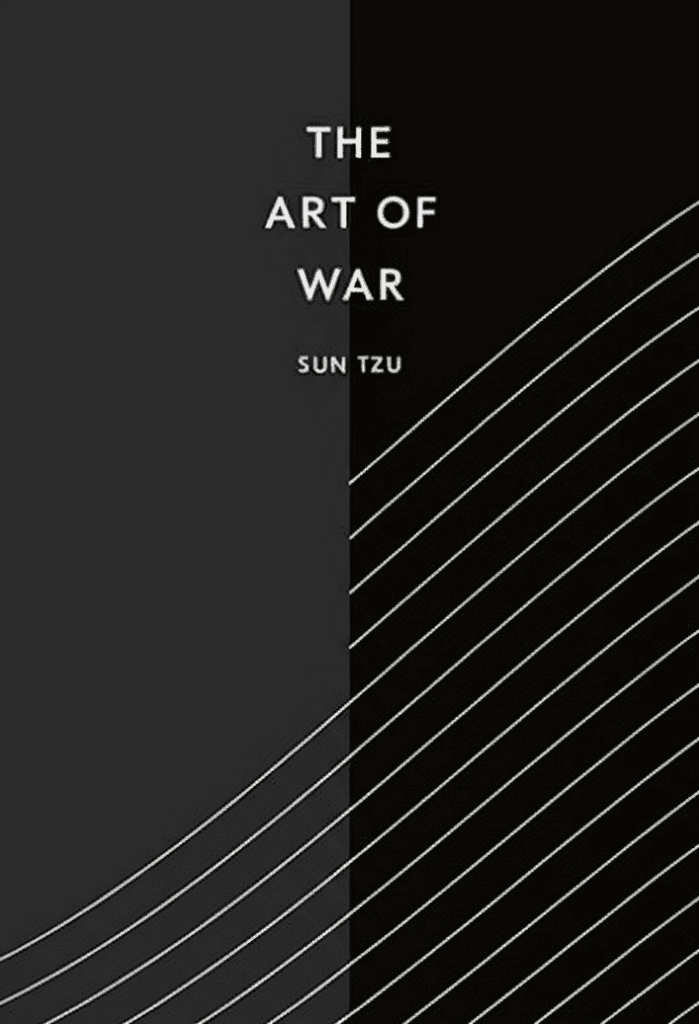
The Art of War
Sun Tzu•Updated 2026
Victory Without BattleDeception and PerceptionAdaptability (The Water Metaphor)
Back to Library
Executive Summary
The Art of War is a 13-chapter ancient Chinese military treatise attributed to the strategist Sun Tzu. Written roughly in the 5th century BCE during the late Spring and Autumn period, it serves as a foundational text on military strategy, emphasizing that the highest form of warfare is to 'subdue the enemy without fighting' (Supersummary, Britannica). The book covers various aspects of conflict, including planning, tactical dispositions, the use of energy, terrain classification, and espionage. Its influence has transcended the battlefield, becoming a staple in business, politics, and sports due to its focus on psychology and adaptability (Wikipedia, LinkedPhone).
Key Themes
Victory Without Battle
Sun Tzu argues that supreme excellence is breaking the enemy's resistance without a physical fight, favoring strategy, diplomacy, and psychological pressure over brute force (Supersummary, Wikipedia).
Deception and Perception
A core principle is 'All warfare is based on deception.' Commanders must appear weak when strong and strong when weak to manipulate the enemy's expectations (James Clear, Study.com).
Adaptability (The Water Metaphor)
Sun Tzu compares a successful army to water, which has no constant shape and flows away from heights to strike at weaknesses. Flexibility in response to changing circumstances is essential (Taylor Pearson, Britannica).
Knowing Self and Enemy
Total self-awareness and intelligence gathering on the opponent are necessary to ensure victory and avoid unnecessary risks (Audible, Britannica).