Audio Summary
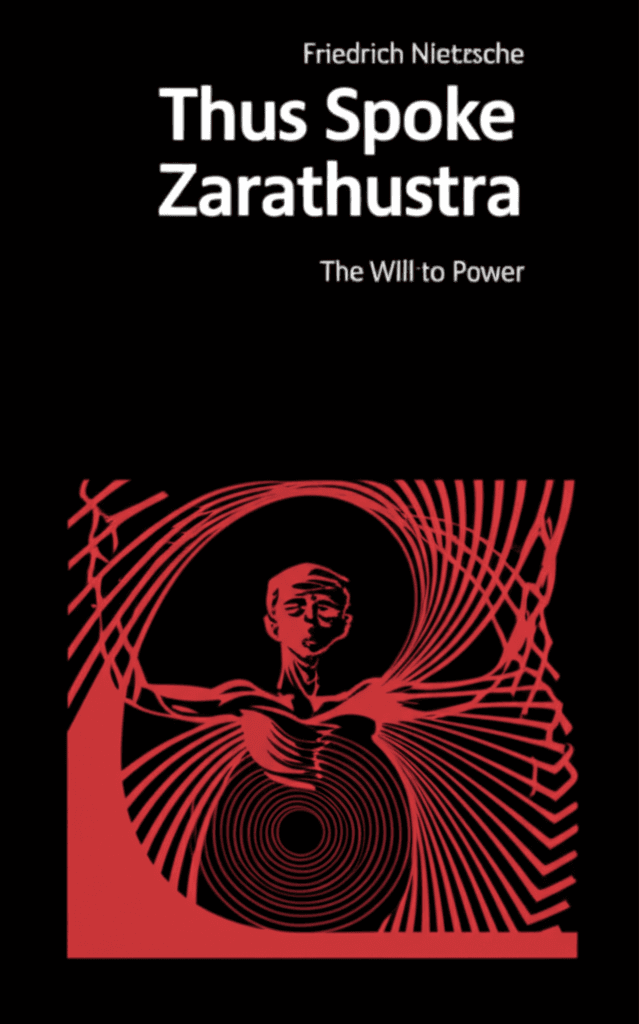
Thus Spoke Zarathustra
Friedrich Nietzsche•Updated 2026
The Übermensch (Overman)Eternal RecurrenceThe Will to Power
Back to Library
Executive Summary
Published between 1883 and 1885, Thus Spoke Zarathustra is a foundational work of philosophical fiction that uses a 'mock-gospel' style to present the teachings of the prophet Zarathustra. After ten years of solitude in a mountain cave, Zarathustra descends to humanity to announce the 'Death of God' and the necessity for mankind to overcome itself. The book is structured as a series of poetic and often ironic discourses that challenge traditional Western morality, religion, and metaphysics, urging individuals to become creators of their own values in a post-religious world (Wikipedia, SparkNotes).
Key Themes
The Übermensch (Overman)
Nietzsche proposes the Übermensch as the meaning of the earth—a state of being that humanity should strive toward. The Overman is one who has mastered their own instincts, abandoned the 'herd mentality,' and created a new set of values independent of traditional religion (fnietzsche.com, LitCharts).
Eternal Recurrence
Described by Nietzsche as the 'fundamental idea' of the work, this is a thought experiment proposing that all events in one's life will repeat infinitely. It serves as the ultimate test of life-affirmation: only a truly great soul (the Übermensch) would celebrate the prospect of living the exact same life forever (Eternalised, Wikipedia).
The Will to Power
Nietzsche argues that the fundamental drive of all living things is not survival or pleasure, but the expansion of power through self-overcoming and creativity. It is presented as a psychological analysis of human action (fnietzsche.com, Study.com).
The Three Metamorphoses
Zarathustra describes the spirit's journey toward the Übermensch in three stages: the Camel (renouncing comfort for burden), the Lion (breaking free from 'thou shalt' to 'I will'), and the Child (innocence and a new beginning for creativity) (Eternalised).