Audio Summary
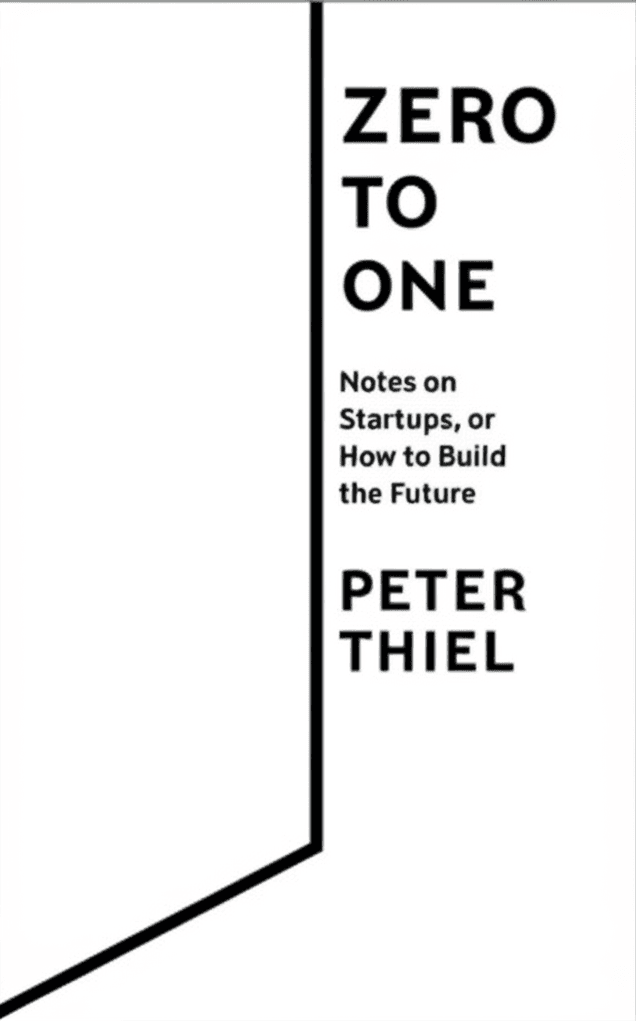
Zero to One: Notes on Startups, or How to Build the Future
Peter Thiel•Updated 2026
Vertical vs. Horizontal ProgressThe Value of MonopolyThe Contrarian Question
Back to Library
Executive Summary
Published in 2014 and co-authored by Blake Masters, 'Zero to One' is based on a series of lectures Peter Thiel gave at Stanford University in 2012. The book presents a contrarian philosophy on entrepreneurship, arguing that true progress comes from 'vertical' innovation (creating something entirely new, or going from 0 to 1) rather than 'horizontal' progress (copying things that work, or going from 1 to n). Thiel famously challenges the standard economic view that competition is a social good, instead asserting that 'competition is for losers' and that every successful business is fundamentally a monopoly that has solved a unique problem. (Source: fs.blog, youexec.com)
Key Themes
Vertical vs. Horizontal Progress
Thiel distinguishes between 'technology' (vertical progress, doing something no one has done before) and 'globalization' (horizontal progress, taking something that works and making it work everywhere). (Source: medium.com)
The Value of Monopoly
Thiel argues that to create and capture lasting value, a company must be a monopoly. He defines a creative monopoly as a business so good at what it does that no other firm can offer a close substitute. (Source: howdo.com)
The Contrarian Question
A central exercise in the book is the question: 'What important truth do very few people agree with you on?' Thiel uses this to identify 'secrets'—the untapped opportunities that others don't see. (Source: goodreads.com)
Definite Optimism
The belief that the future will be better if you plan and work to make it so. Thiel contrasts this with the 'indefinite optimism' he sees in modern finance and law, where people expect progress but don't know how to create it specifically. (Source: youexec.com)
The Power Law
In venture capital and life, a small number of events generate the majority of the returns. Thiel advises focusing on the one thing you can do better than anyone else. (Source: theinvestorspodcast.com)